
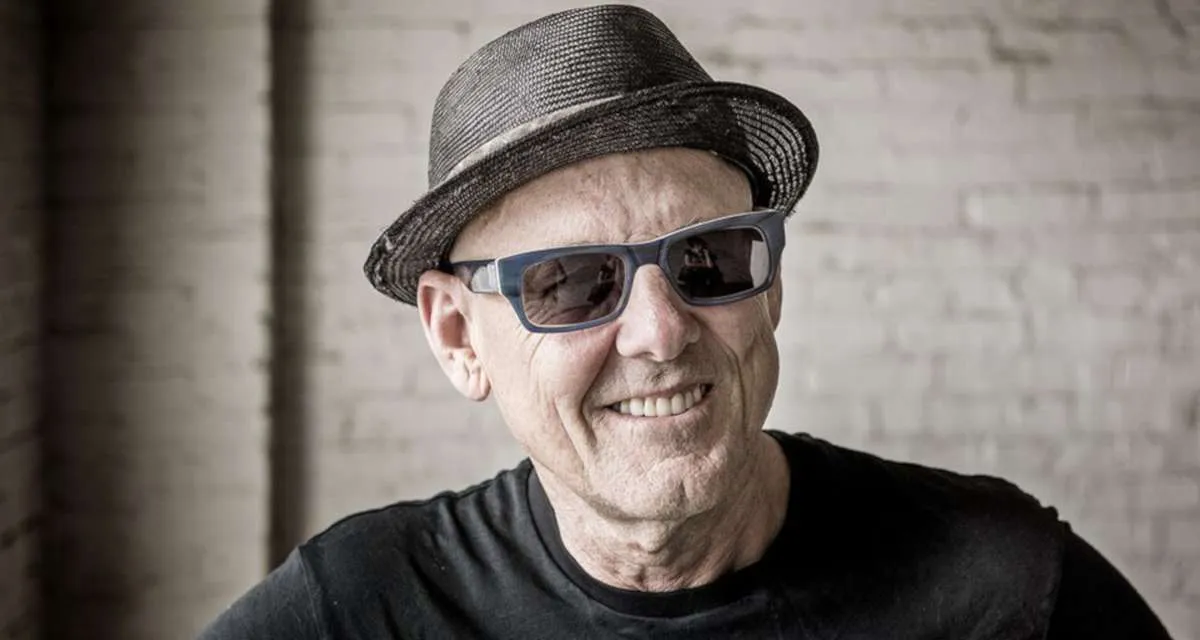
Soul singer Billy Price, one of the many artists aboard as plaintiffs in the expanded Lowery v. Suno class action. Photo Credit: David Aschkenas
Yesterday, DMN was first to report that Jason Isbell and David Lowery had dramatically expanded their Suno class action lawsuit. Now, the presiding judge has officially rejected the AI music platform’s dismissal motion.
Judge Angel Kelley denied Suno’s weeks-old motion to dismiss today, with the corresponding docket entry attributing the decision to the amended suit. And while the court’s full order wasn’t live at the time of this writing, it should hit the same docket sooner rather than later.
More immediately, the case – accusing the AI upstart of name, image, and likeness (NIL) rights violations across at least 15 states and territories – has been moving quickly since kicking off in late August. As we broke down in our exclusive coverage, that’s due in part to the sizable pile of ongoing industry complaints against Suno.
As many know, said complaints, complete with in-depth discovery, adjacent subpoena showdowns, and ample back and forth, have shed light on pertinent details concerning AI audio’s distribution volume, Suno investors’ comments, the platform’s precise training data, and much more.
These and several other significant findings are cited in Lowery’s action – as are the consent and opt-in components of Suno’s Warner Music, Believe, and BMG licensing deals.
“Thus, even Suno’s negotiated licenses with sophisticated copyright owners expressly contemplate creator authorization separate from the copyright license itself,” the class action’s plaintiffs spelled out.
“A record company’s authority to license a copyrighted recording therefore does not, without more, establish authority to license, extract, reconstruct, or otherwise commercially exploit the independently held personhood rights of the performers embodied in that recording,” they continued.
Meanwhile, Lowery v. Suno’s already-long list of plaintiffs appears an apt representation of how the defendant is viewed in the music world.
Aboard the suit are Jason Isbell, David Lowery (the co-founder of Cracker), Guy Forsyth (Asylum Street Spankers), Ed Calle, The Chicks, St. Lenox, DJ Carl Craig, the surviving spouse of Willie Colón, Phil Elverum (The Microphones), Ezra Furman, David Longstreth (Dirty Projectors), Lydia Loveless, Laurel Massé (The Manhattan Transfer), the surviving spouse of Sam & Dave’s Sam Moore, Franz Nicolay (The Hold Steady), Billy Price, Kealiʻi Reichel, and Ike Reilly (The Ike Reilly Assassination).
That list is important on multiple levels. Assuming the case survives Suno’s renewed dismissal push and plays out, how many additional artists will join? Similarly, how many professionals will add their names to the infringement-focused Justice v. Suno class action?
With massive sums on the line here, it’ll be worth continuing to track the cases in 2027 and beyond. On the “beyond” front, despite Lowery v. Suno’s current pace, evidence suggests that the relevant legal battles could be unfolding for a while yet.
Protracted litigation timetables aside, it seems safe to conclude that the sweeping opposition doesn’t bode well for Suno amid a focus on opt-in-based artist-specific offerings with Warner Music.


